
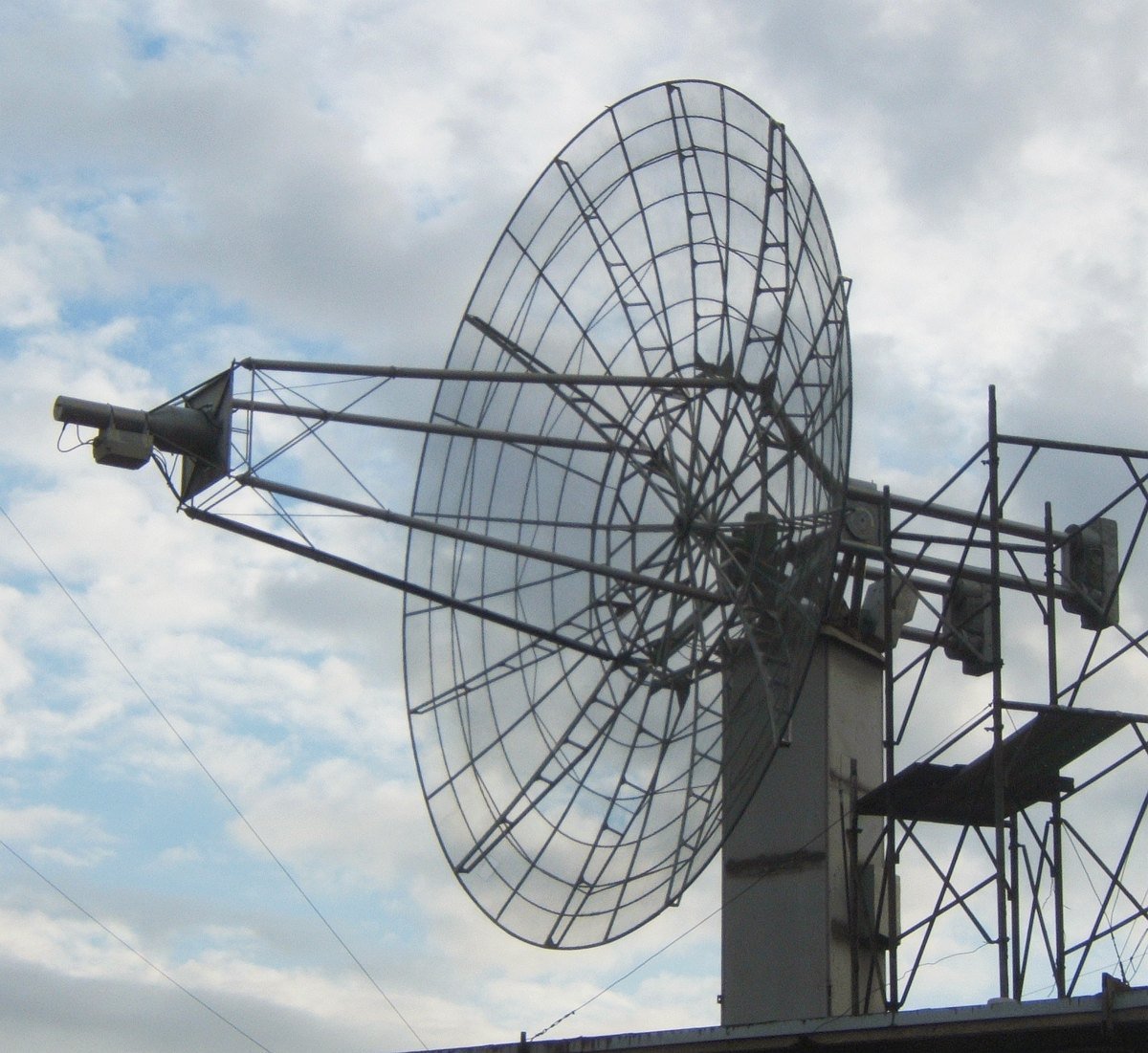
Congo DXpedition Reports More Than 100 Moonbounce Contacts
Back to NewsThe 9T0MD DXpedition to the Democratic Republic of the Congo logged more than 100 Earth–Moon–Earth contacts, the team reported October 7, after operator Emil Bergmann, DL8JJ, established a moonbounce station despite power and generator problems. The operation gave other amateurs a chance to work Congo using signals reflected from the Moon.
In its moonbounce report, the team described the operation as the first EME activation of the 9T0 prefix.
A Weak-Signal Station in the Field
Earth–Moon–Earth communication sends a radio signal toward the Moon and receives the small fraction reflected back to Earth. The roughly half-million-mile total path makes receiving performance and antenna gain central to completing contacts.
The ARRL’s overview of weak-signal operation identifies low-noise preamplifiers, high-gain antennas and effective digital modes as tools that have expanded amateur participation. A portable expedition must bring those capabilities into operation at a temporary site.
Power Problems Interrupt the Expedition
The team’s October 14 return-home report said the expedition had fallen well short of its overall 100,000-contact target. It attributed lost operating time to electrical and connectivity difficulties early in the trip and recurring blackouts during the operation.
Those expedition-wide problems provide context for the EME result. The moonbounce total records completed contacts through a demanding propagation path, alongside the team’s broader effort to keep its stations operating.
The expedition has ended. Its October 7 announcement establishes the reported milestone of more than 100 EME contacts, rather than a final audited moonbounce total.
Sources and Further Reading
- 9T0MD: October 7 Moonbounce Report
- 9T0MD: October 14 Return-Home Report
- ARRL: Weak-Signal and Moonbounce Operation