
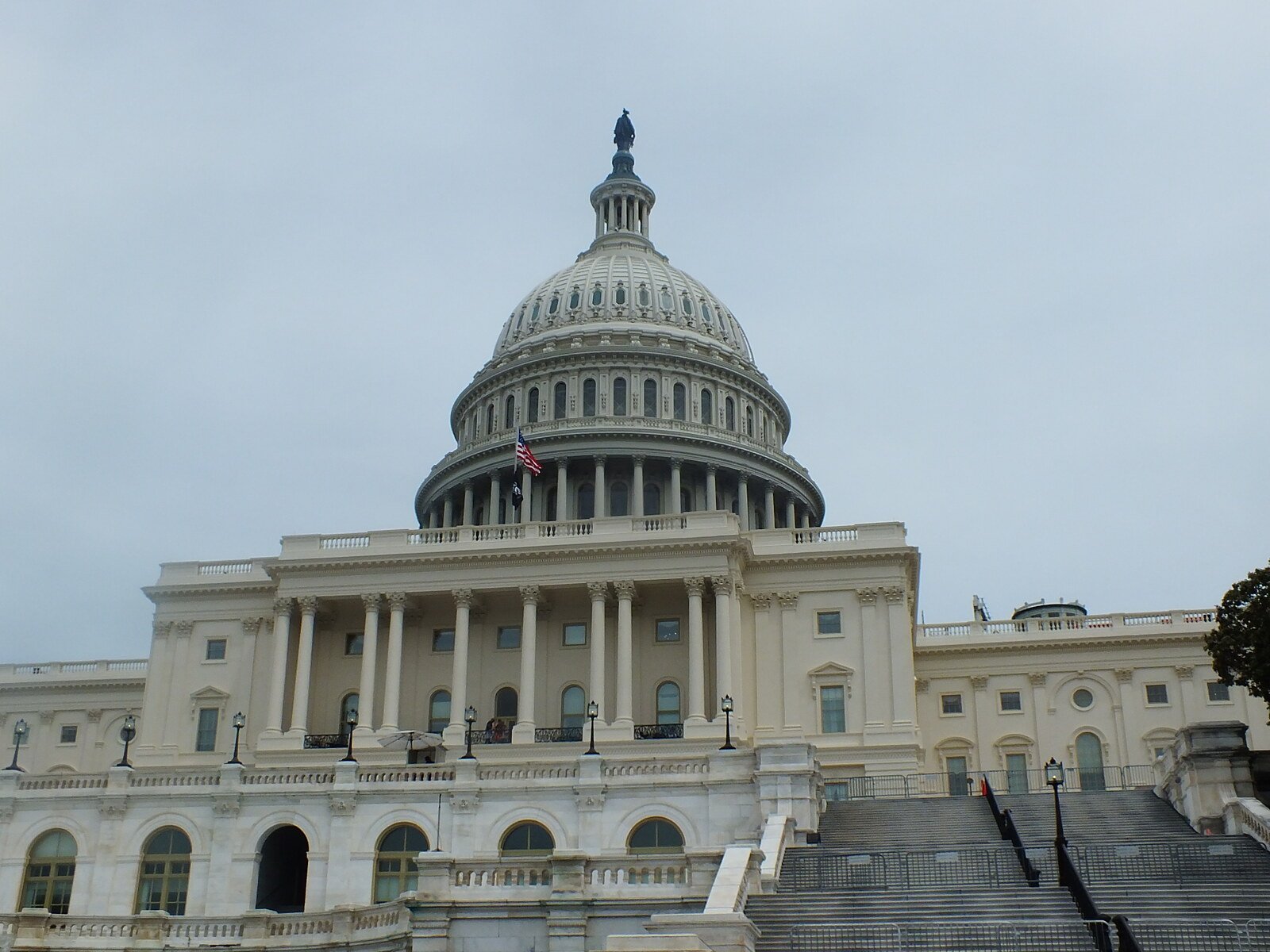
Amateur Radio Antenna Bills Face Democratic Leadership After Mid-term Election
Back to Radio in the NewsDemocrats’ victory in the Nov. 3 congressional elections will put their party in control of the committees handling amateur radio antenna bills in January, changing the leadership responsible for considering federal protections against restrictive homeowners association rules.
The Associated Press reports that Democrats won both the House and Senate. For amateur operators in communities with antenna restrictions, the result changes who will oversee the legislation, but provides no immediate relief from existing covenants.
The current proposals, H.R. 1094 and S. 459, face a separate deadline: If they do not become law before the 119th Congress ends, supporters must introduce legislation again in the next Congress. The election itself neither kills the bills nor extends their life.
Both bills remain listed as pending in committee: H.R. 1094 in House Energy and Commerce and S. 459 in Senate Commerce, Science and Transportation. More recent House and Senate tracking records continue to show introduced status.
The House proposal has received a hearing. H.R. 1094 was among the bills considered at the Communications and Technology Subcommittee’s Dec. 16, 2025, hearing on public safety communications. Congress.gov’s hearing record includes the antenna bill, witness statements and supporting documents. That hearing did not itself constitute committee approval or House passage.
New Leadership for Amateur Radio Antenna Bills
Rep. Frank Pallone Jr., D-N.J., and Sen. Maria Cantwell, D-Wash., are the senior Democrats on those committees. Their current ranking-member positions put them in line to seek the chairmanships when Democrats organize the new Congress. The committees are currently chaired by Rep. Brett Guthrie, R-Ky., and Sen. Ted Cruz, R-Texas.
Democratic control will give the party the committee majorities and chairmanships that shape legislative agendas. It does not establish that either committee will schedule consideration of antenna protections.
The legislation already has bipartisan backing. Rep. August Pfluger, R-Texas, introduced the House bill with Rep. Joe Courtney, D-Conn. Sen. Roger Wicker, R-Miss., introduced the Senate bill alongside Sen. Richard Blumenthal, D-Conn., according to ARRL’s announcement.
President Donald Trump remains in office. Enactment would still require identical legislation to clear both chambers and receive presidential approval, or sufficient votes to override a veto.
HOA Opposition Centers on Contracts and Antenna Approval
The Community Associations Institute has urged Congress to oppose the measures. In its 2025 congressional advocacy priorities, CAI argued that federal antenna protections would override private contracts and limit associations’ authority to require approval of installations.
ARRL frames the issue as access to effective antennas and the ability to prepare for emergency communications. Its grassroots campaign, launched in September 2025, asks supporters to contact their representatives and senators.
Those positions leave a substantive dispute over how much authority associations should retain. A change in congressional control does not resolve that disagreement.
What the Proposed Protections Would Cover
The House bill’s introduced text would bar private restrictions that prohibit, restrict or impair amateur antennas, subject to specified exceptions.
It would exempt several categories from prior approval: Antennas less than 1 meter (3.3 feet) in diameter or diagonal measurement; dual-use flagpole antennas and vertical antennas up to about 13.1 meters (43 feet) above ground; and minimally obtrusive wire antennas sized for their intended frequency.
Where an approval requirement is permitted, an application would be deemed approved after 45 days without an approval or denial. The proposal would preserve specified structural-safety and code requirements and allow people harmed by violations to sue in federal district court.
The bill would also direct the FCC to issue implementing regulations within 180 days of enactment.
The Remaining Congressional Deadline
The 120th Congress begins in January 2027. Under the Senate’s explanation of the transition, unfinished legislation expires and must be reintroduced.
That leaves supporters with two possible routes: Secure enactment during the remaining 119th Congress, or seek new bills and committee consideration under Democratic leadership in 2027. Neither route changes current antenna restrictions unless legislation becomes law.
Sources and Further Reading
- Associated Press reports that Democrats won both the House and Senate
- House
- Senate tracking records
- Congress.gov’s hearing record
- ARRL’s announcement
- 2025 congressional advocacy priorities
- grassroots campaign
- House bill’s introduced text
- the Senate’s explanation of the transition
- H.R. 1094: Bill Overview
- S. 459: Bill Overview
- Senate Commerce: Ranking Member Maria Cantwell
- House Energy and Commerce: Frank Pallone Jr.