
AO-129 Digipeater Tests Advance a New UHF Satellite Relay
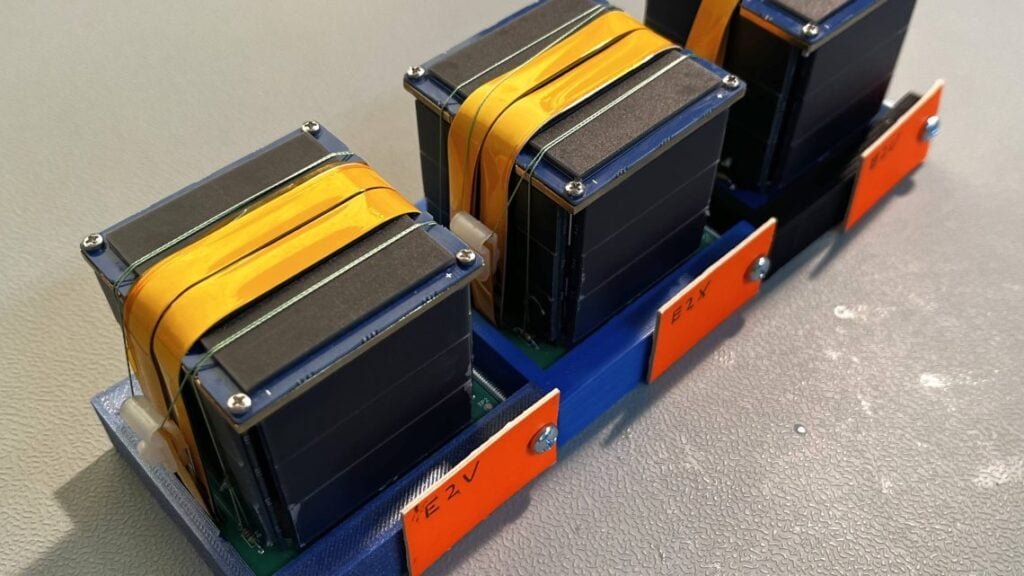
Back to Radio in the NewsAMSAT-DL has activated the ERMINAZ-2U digipeater during in-orbit tests, advancing a new 435.900 MHz packet relay for amateur satellite experimenters. The spacecraft received the designation AMSAT-OSCAR 129, or AO-129, on Oct. 23, alongside its companion ERMINAZ-2V, now AO-130.
The Oct. 25 AMSAT bulletin reports that both satellites are active and under control following an unexpectedly early deployment. Tests on AO-129 have included switching on its digipeater, while a third spacecraft, ERMINAZ-2X, remains silent.
For ground stations, the practical development is a UHF digital payload with published receiving and transmitting tools. AMSAT’s digipeater listing identifies AO-129’s signal as 9k6 GMSK with a special frame structure, making modem and protocol compatibility important when preparing a station.
Ground-Station Tools Support Packet Experiments
A GNU Radio modem workflow published by Daniel, DL7NDR supports these experiments. Developed and tested under Linux with GNU Radio 3.10, the flowgraph accepts receiver audio, separates telemetry from digipeated packets, and saves both types locally.
It also uploads the relevant packets to SatNOGS and passes received digipeater traffic to PyttiAPRS. On transmit, it constructs ERMINAZ packets from the terminal’s input and sends the modem audio to the station, with transmit switching available for CM108 sound-card interfaces.
That gives experimenters a documented starting point for the satellite’s framing rather than requiring a modem implementation from scratch. The developer’s discussion includes reception reports and troubleshooting of telemetry uploads, providing useful context as ground stations begin working with the spacecraft.
The reported digipeater activation is an operating milestone during commissioning. Availability on a particular pass still depends on the spacecraft’s configuration and the team’s test schedule; the AMSAT status page and project updates provide the current operating picture.
Early Deployment Complicated Initial Tracking
The three ERMINAZ-2 PocketQubes launched Oct. 1 aboard SpaceX’s Transporter-18 mission, riding inside a deployer carried by UARX Space’s OSSIE-D orbital transfer vehicle.
According to AMSAT-DL’s first-signals report, the payloads were expected to remain aboard for at least seven days. Deployment instead began Oct. 2, and the team learned of the change the following evening. The unexpected release cost valuable early tracking and telemetry time.
Ground stations subsequently received ERMINAZ-2U and ERMINAZ-2V, allowing the team to establish control. The cause of ERMINAZ-2X’s silence remains unknown; the AMSAT report identifies a deployment problem or a failure after release as possibilities.
Two Spacecraft Receive OSCAR Designations
AMSAT assigned the AO-129 and AO-130 names at AMSAT-DL’s request. The team’s designation announcement identifies SSDV image and digipeater payloads among the spacecraft’s capabilities.
The new names establish their place in the OSCAR series, while the continuing ground-station work is focused on using the payloads: Commanding the satellites, collecting telemetry, and testing packet relay operation.
Sources and Further Reading
- AMSAT: ERMINAZ-2 Status and OSCAR Designations
- AMSAT: AO-129 Frequency and Modem Listing
- DL7NDR: ERMINAZ Modem and Terminal Workflow
- AMSAT-DL: First Signals and Early Deployment
- AMSAT-DL: AO-129 and AO-130 Announcement